
ORION: Drone Hackathon 2026
48 Hours of Autonomous Aerial Innovation at IIST Valiamala
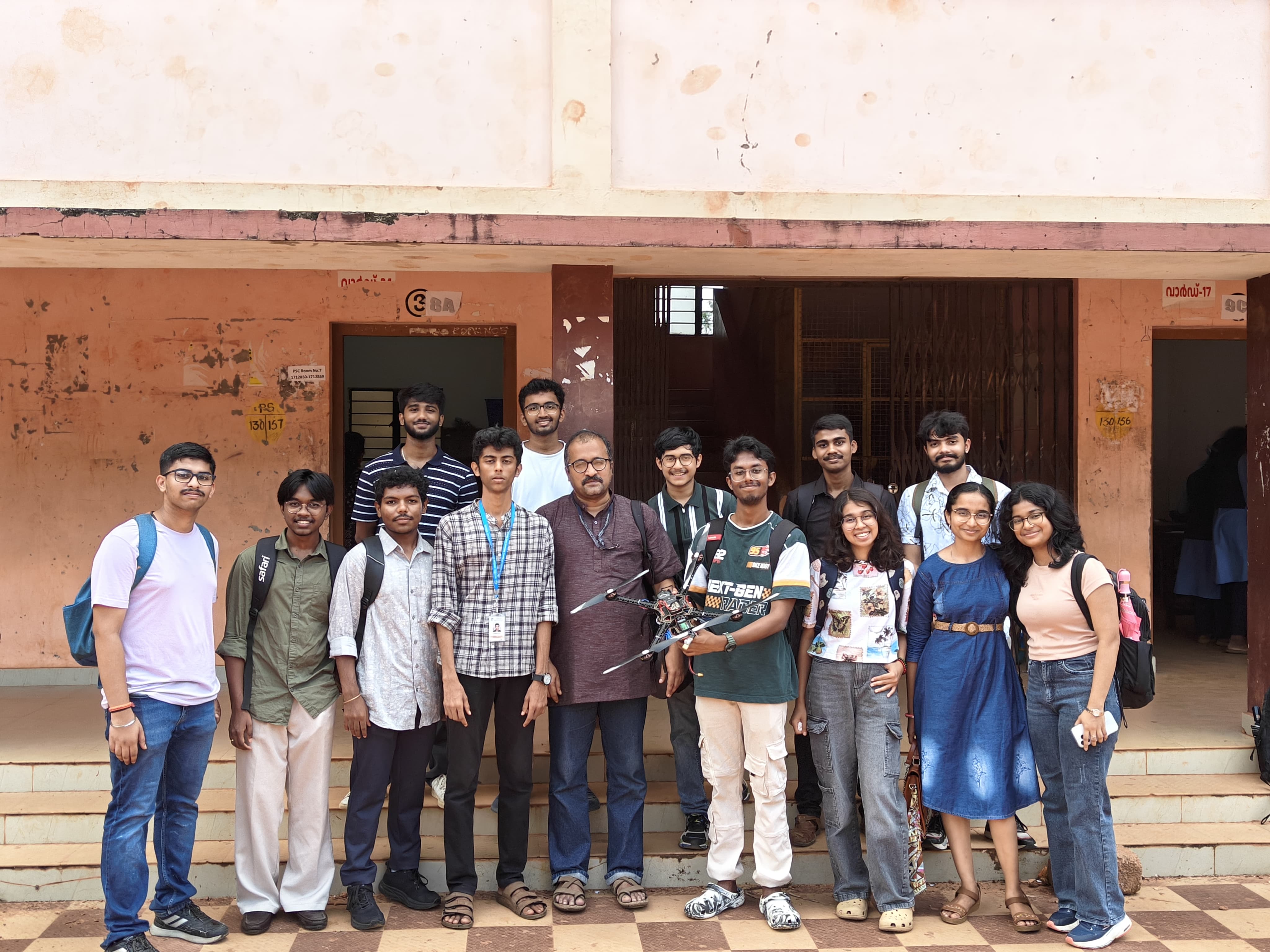
The Challenge: Autonomous Precision Without Satellites
ORION challenged teams to push the envelope of autonomous flight in contested environments. Competitors were given 48 hours to assemble an indigenous multi-rotor airframe, configure guidance and control loops, and successfully navigate an obstacle-laden indoor arena without relying on GNSS signals.
Pegasus UAV Club served as the technical host and mentoring body, providing calibration test stands, high-discharge battery charging bunkers, and real-time optical tracking feedback inside the Avionics Hangar.
Prototyping & Field Engineering
Participating teams integrated high-efficiency brushless motors with custom power distribution boards and companion computers running ROS2 Humble. Edge vision models running on NVIDIA Jetson modules enabled drones to spot visual markers and perform autonomous trajectory corrections on the fly.
The final evaluation featured eight discrete waypoint waymarks with sudden simulated signal drops, demanding dynamic failsafe landing and visual-inertial odometry precision.
Results and Next Steps
The event concluded with live demonstration flights before a panel of distinguished ISRO scientists and faculty mentors. Breakthrough approaches in optical flow stabilization and adaptive throttle curves developed during ORION are now being integrated into Pegasus's flagship research builds.
EVENT PHOTOGRAPHS & FIELD NOTES
Engineers tuning flight parameters before sprint trials
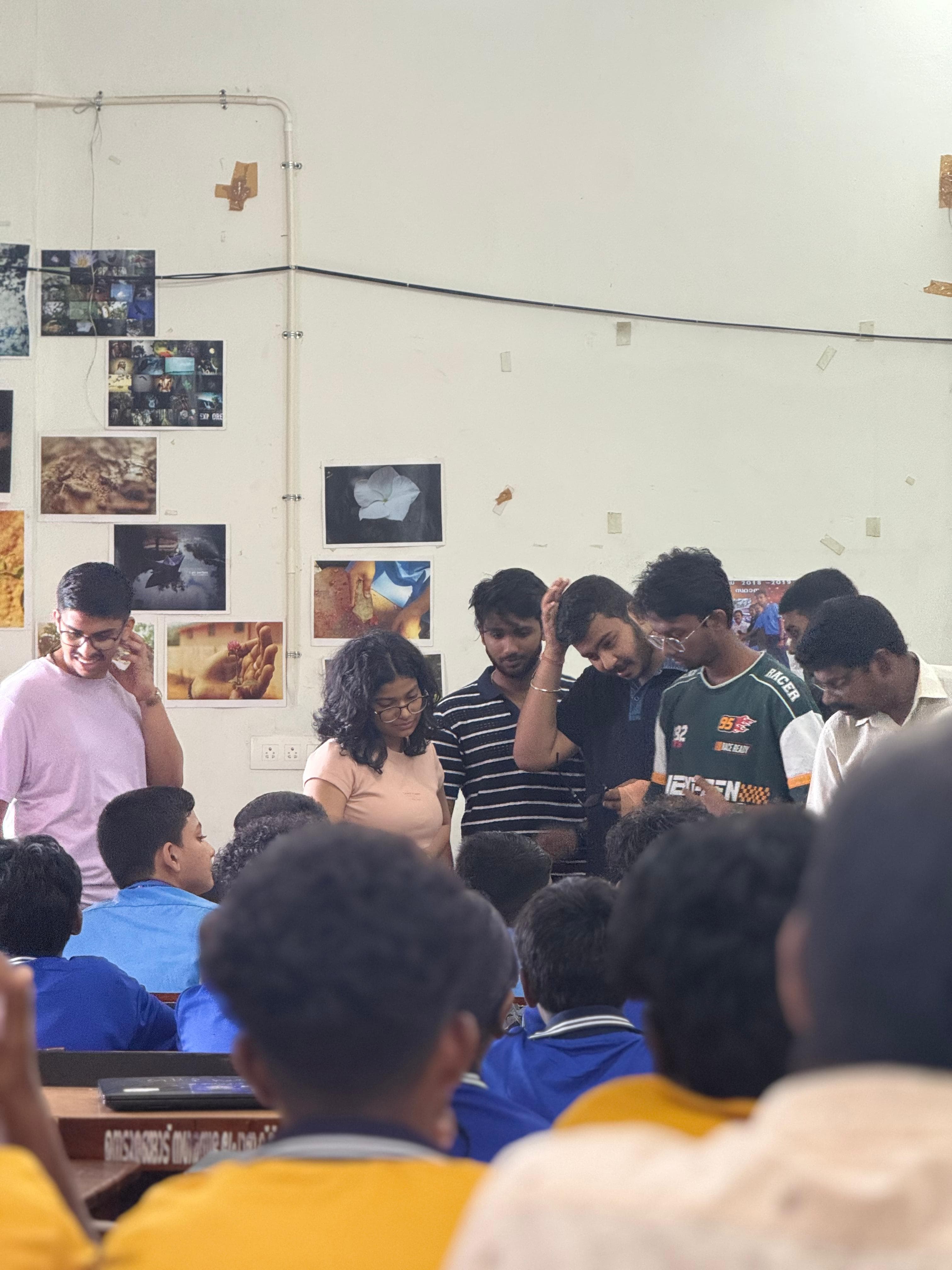
Avionics hardware diagnostics and wiring harness testing
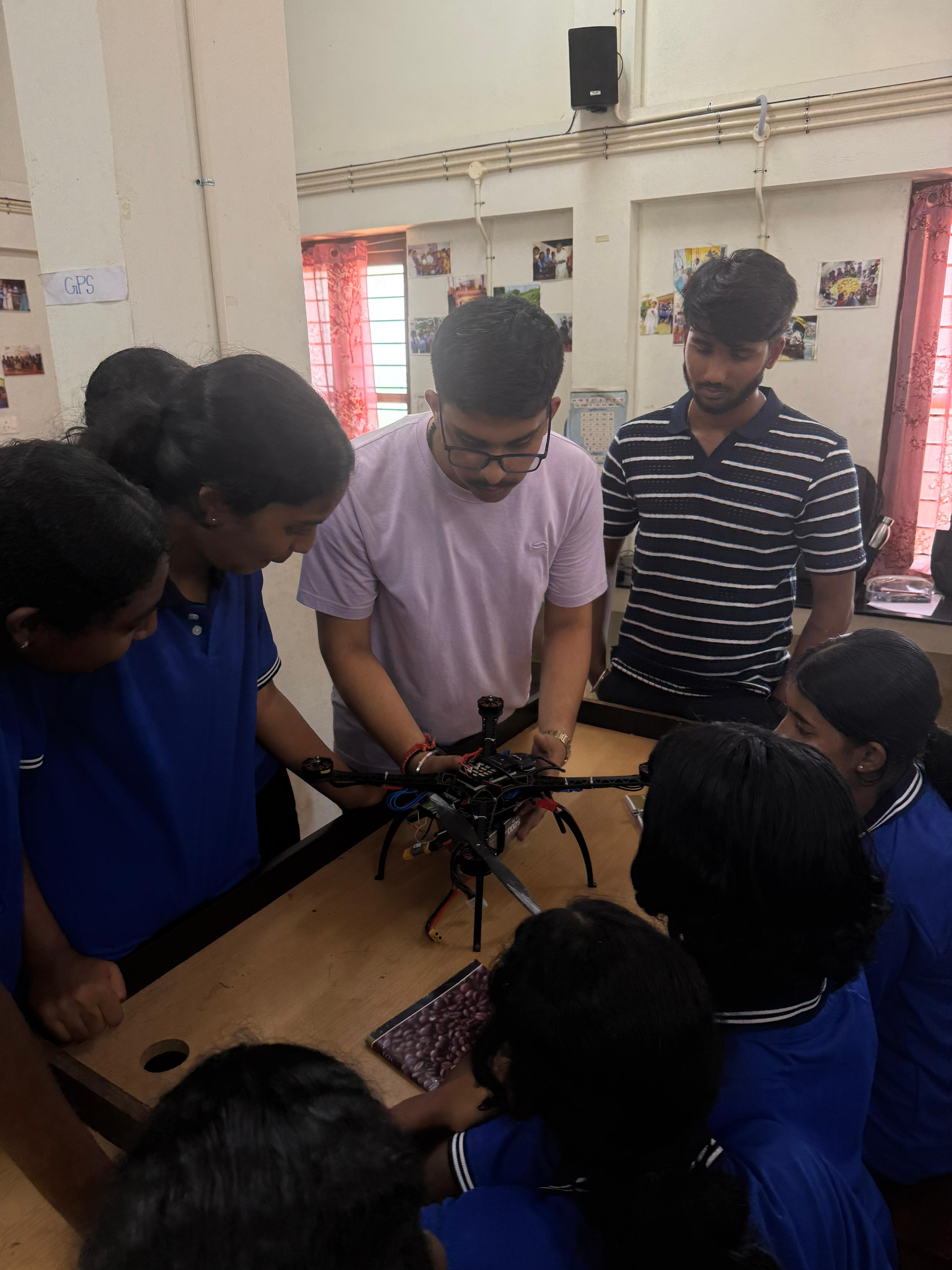
Bench dynamometer motor and airframe teardown
- ✦Over 60 student participants across 14 university teams
- ✦Average autonomous hover stability variance under 4.5 cm
- ✦Full open-source code and telemetry log sharing among cohorts
- ✦Faculty keynote from Department of Avionics and Department of Aerospace
Autonomous aerial robotics and unmanned systems research at the Indian Institute of Space Science and Technology.